

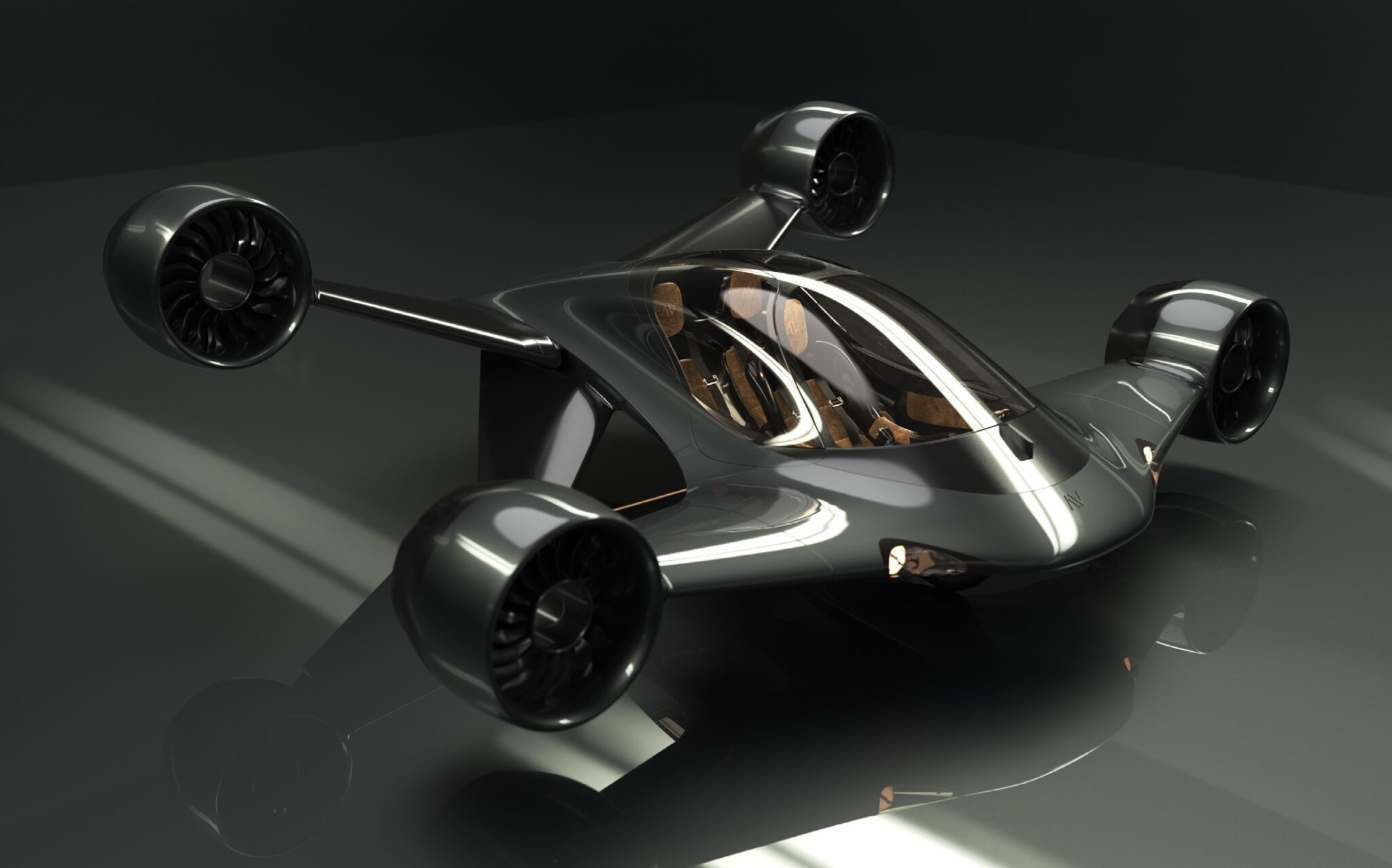
: Closer to Commercial Reality

Cleared for Takeoff: The Real-World Race for the Skies
The long-standing vision of the flying car has finally transitioned from science fiction into a multi-billion-dollar aerospace sector known as Advanced Air Mobility (AAM). Manufacturers are no longer just building speculative prototypes; they are actively flying production-conforming aircraft through the final, most demanding gauntlets of federal regulation.
The vehicle class leading this charge is the eVTOL (electric Vertical Takeoff and Landing) aircraft. By combining the vertical agility of a helicopter with the high-speed cruise efficiency of a traditional fixed-wing airplane, these aircraft are designed to reshape urban transit.
Inside the FAA Certification Race
For an eVTOL to carry paying passengers in the United States, it must clear three distinct Federal Aviation Administration (FAA) hurdles: Type Certification (proving the design itself is safe), Production Certification (proving the factory can build it identically at scale), and Operational Certification (gaining the legal right to run an active airline service).
Because these aircraft represent a completely new category of flight, the FAA is certifying them as “powered-lift” vehicles under special custom frameworks. The race between the industry’s two primary titans highlights two distinct paths to the sky:
Joby Aviation: The Focus on For-Credit Testing
Joby Aviation operates a highly integrated vertical manufacturing model. The company is currently deep into the final phases of its five-stage FAA Type Certification process.
Joby achieved a major milestone by initiating flight testing on its first fully FAA-conforming aircraft built for Type Inspection Authorization (TIA). This status allows FAA test pilots to personally board the aircraft to conduct “for-credit” flights—the final empirical validations required before commercial approval is granted.
Archer Aviation: Infrastructure and Speed
Archer Aviation, backed heavily by automotive giant Stellantis, has taken an aggressive approach to building the commercial ecosystem. Archer became the first eVTOL company to successfully close out Phase 3 of the FAA’s type certification pipeline, allowing them to shift their full focus into Phase 4 compliance and formal system analysis.
While Joby has established an early lead in total flight-level certification credits, Archer has focused heavily on operational readiness. Archer has already secured its Part 135 Air Carrier, Part 145 Repair, and Part 141 Pilot Training certificates, effectively assembling the entire logistical skeleton needed to run a passenger airline the moment its flagship aircraft, the Midnight, receives its final type approval.
[Joby Aviation] ───> Advanced For-Credit TIA Flight Testing with FAA Pilots
[Archer Aviation] ──> Phase 3 Closed / Full Battery of Operational Infrastructure Secured
2026: The Initial Launch Pad
The timeline for commercial operations is much closer than most consumers realize. Thanks to the White House-backed eVTOL Integration Pilot Program (eIPP), both Joby and Archer have been cleared for early operational frameworks covering multiple U.S. states.
This federal program bypasses the traditional wait times for widespread airspace integration by letting mature, pre-certified designs fly real, controlled routes for cargo, medical logistics, and early passenger concepts. Widespread initial commercial routes are actively targeted to debut along key regional corridors:
- The Manhattan Heliport Network: Connecting New York City centers directly to major hubs like JFK and Newark Liberty International airports in under ten minutes.
- The Southern California Grid: Introducing early commuter routes utilizing Hawthorne Airport in Los Angeles as a baseline hub, with an eye toward supporting high-traffic logistics for the upcoming LA28 Olympic Games.
The Core Technical Profiles
The modern eVTOL fleet relies on vastly different mechanical architectures than standard internal-combustion helicopters. By utilizing distributed electric propulsion (DEP), these vehicles feature multiple smaller rotors rather than a single massive blade. This design provides incredible mechanical redundancy—allowing the aircraft to fly safely even if an individual motor fails—while keeping the acoustic signature quiet enough to blend seamlessly into urban noise baselines.
| Operational Metric | Standard Target Capability | Primary Technological Enabler |
| Cruise Speed | 100–150 mph | Aerodynamic wing-borne transition states |
| Operational Range | 20–50 miles per charge | High-density lithium-ion battery architectures |
| Acoustic Signature | < 45–60 dBA (Near Silent) | Distributed Electric Propulsion (DEP) systems |
| Flight Control | Pilot-operated with highly automated assist | Next-gen AI flight stacks and edge computing |
The Path to Mass Adoption
While the technology is clearing its initial regulatory hurdles, transitioning from an elite airport-shuttle service into a widespread replacement for daily car commutes involves several long-term structural phases:
1. Vertiport Infrastructure
The industry requires specialized urban hubs known as vertiports. Unlike traditional helipads, vertiports must feature high-megawatt charging grids capable of rapidly replenishing an aircraft’s battery bank in the ten-to-fifteen minutes it takes to swap passengers, ensuring minimal ground downtime.
2. Air Traffic Modernization
Managing a sky filled with thousands of low-altitude, short-range commuter flights requires updating our traditional air traffic control systems. Companies are partnering with digital infrastructure leaders to build out autonomous, AI-driven deconfliction software capable of mapping flight paths in real time.
3. Scaling the Economics
Early flights will carry a premium price point, targeting business travelers and time-sensitive commuters. However, the long-term roadmap hinges on scale. As automated manufacturing facilities expand and autonomous flight technology matures, operator costs will plummet, eventually bringing the price per seat-mile fully in line with modern premium rideshare services.
The boundary between ground and sky is actively dissolving. The question is no longer if flying cars will become a reality, but rather how quickly cities can build the infrastructure to accommodate the quiet, electric revolution already unfolding overhead.